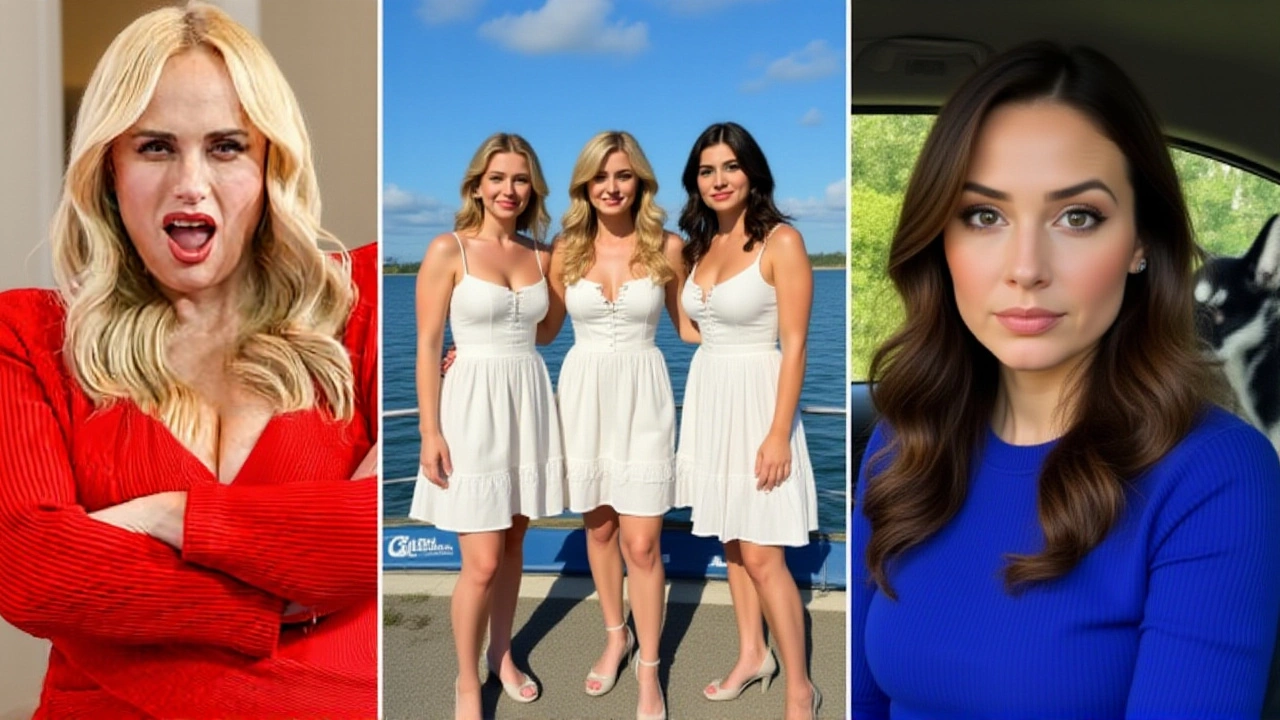
When Rebel Wilson stepped onto the 60 Minutes Australia stage in November 2023, she didn’t just defend her reputation—she fired back at what she called a coordinated smear campaign. The Australian actress, known for her breakout roles in Pitch Perfect, is now at the center of a legal storm tied to her production of the indie film The Deb, with court documents alleging she ordered the creation of malicious websites targeting producer Amanda Ghost and actress Charlotte Macinnes. Wilson’s response? "Absolutely untrue."
The Origins of the Legal Firestorm
It all began in early 2023, when Charlotte Macinnes, who played the role of Maeve in The Deb, sent a formal concerns notice alleging Wilson made false and damaging statements across Instagram and Twitter. According to court filings obtained by Star Observer, Macinnes claimed Wilson falsely accused her of revealing inappropriate conduct by Ghost to the press—a claim Wilson insists she made as a whistleblower. The tension didn’t stop there. Documents later revealed Wilson’s public relations team allegedly created two websites: amandaghost.com and amandaghostsucks.com. One page reportedly described Ghost as "the Indian Ghislaine Maxwell," a comparison so inflammatory it drew immediate legal scrutiny.What the Text Messages Reveal
Inside the court filings are text exchanges between Wilson’s PR staff, discussing domain registrations, content drafts, and even SEO tactics to drive traffic to the sites. One message, dated June 2023, reads: "We need to make sure the narrative sticks—Ghost’s behavior was predatory, and Macinnes was silenced." Another asks if the sites should include screenshots of Macinnes’ Instagram posts, "to show her side isn’t clean." The implication? A deliberate, organized effort to undermine two key figures on the film set. Wilson denies ever seeing the sites, let alone authorizing them. "I don’t have any memory of doing that," she told 60 Minutes. "I didn’t ask for any websites. I didn’t tell anyone to do it. If they did it without my knowledge, that’s on them."Wilson’s Whistleblower Narrative
Wilson, who also served as a producer on The Deb, has consistently portrayed herself as someone who spoke out against misconduct. "I stood up when it was important to stand up," she said. She claims she reported alleged inappropriate behavior by Ghost—including boundary violations and pressure on cast members—to the film’s legal team and production managers. When she says nothing was done, she allegedly took to social media to warn others. Her 11 million Instagram followers became an extension of her platform. But here’s the twist: Macinnes says Wilson’s posts didn’t just expose wrongdoing—they falsely implicated her as the source of the allegations, damaging her professional relationships and casting opportunities. "I didn’t say anything to her," Macinnes told investigators. "I was the one who got painted as the leak."More Than Just Defamation
The legal battle isn’t limited to social media posts or rogue websites. Court records show at least three other lawsuits have been filed against Wilson: one alleging sexual harassment by a crew member, another claiming financial mismanagement of the $2.3 million budget, and a third accusing her of orchestrating false imprisonment after Macinnes was allegedly locked out of a location shoot. The film, which depicts two teenagers navigating a debutante ball in rural Australia, was shot in Victoria in 2022. Its modest budget and indie roots make the scale of the legal fallout all the more surprising.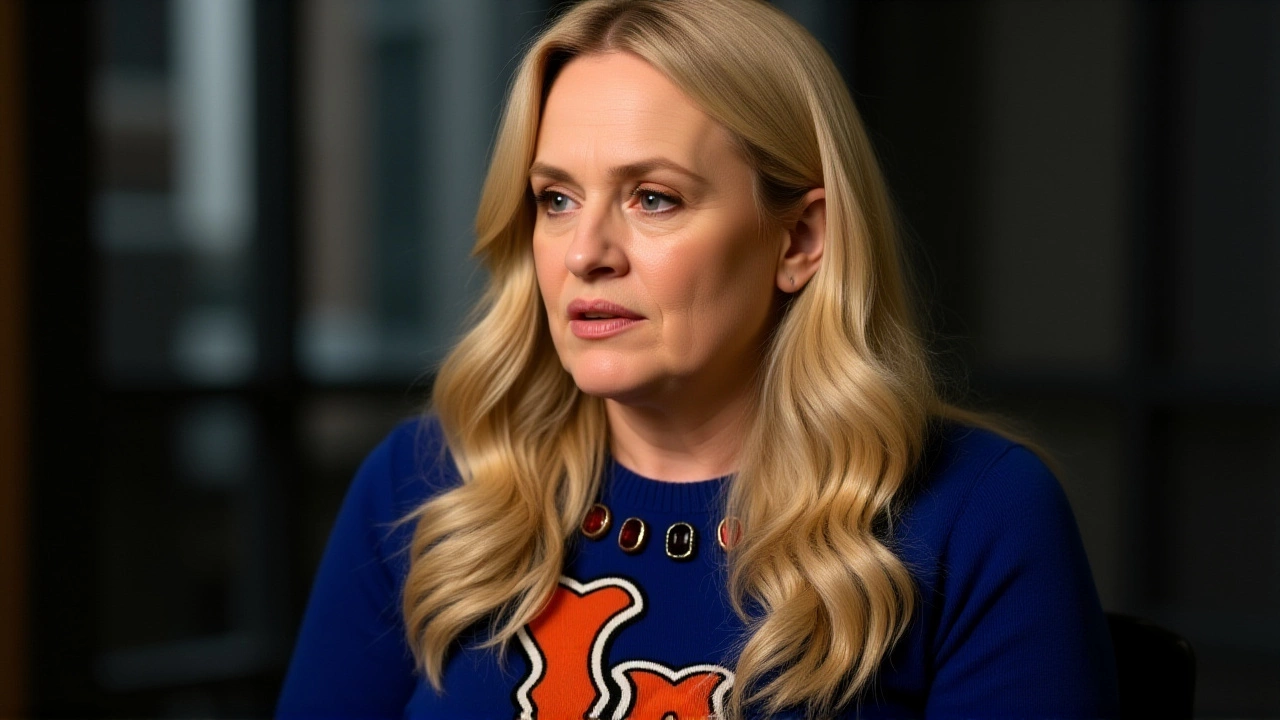
Why This Matters Beyond Hollywood
Legal experts say this case could redefine how celebrities use social media as a tool for accountability. "If a public figure can claim whistleblower protection while anonymously funding smear campaigns, the line between justice and vengeance blurs," says Dr. Eleanor Ruiz, a media law professor at Monash University. "This isn’t just about Rebel Wilson—it’s about what happens when influence meets impunity."Wilson has yet to file a formal defense to Macinnes’ defamation claim, and the Australian court proceedings remain ongoing. Meanwhile, the websites—now offline—still appear in cached versions on archive.org. The domain amandaghost.com was registered under a shell company linked to Wilson’s PR firm, Brave Media Group, according to WHOIS records reviewed by The News.
What’s Next?
A hearing is scheduled for February 2025 in the Supreme Court of Victoria. Wilson’s legal team is expected to argue that her statements were protected opinion under Australian defamation law. But the website allegations could tip the scales. If proven, creating and promoting defamatory content—even through third parties—could lead to punitive damages. Macinnes is seeking $1.5 million in compensation for lost roles and emotional distress. Ghost, meanwhile, has filed a separate claim for reputational harm.Background: The Deb and the Fallout
The Deb was meant to be Wilson’s passion project—a quirky, heartfelt comedy about class and coming-of-age in small-town Australia. Instead, it’s become a cautionary tale. The film’s director, Natalie Abbott (who also played Taylah), quietly stepped away from public life after the lawsuits began. The cast, once tight-knit, now avoids each other on set. And Wilson? She’s still posting daily on Instagram—mostly about fitness and her new Netflix series—but the comments section is a battlefield. "You’re a liar," one follower wrote. "I believed you were different."Frequently Asked Questions
Did Rebel Wilson create the malicious websites herself?
No, Wilson denies personally creating or ordering the websites. However, court documents show her PR firm, Brave Media Group, registered the domains amandaghost.com and amandaghostsucks.com and drafted content describing Amanda Ghost as "the Indian Ghislaine Maxwell." Wilson claims she was unaware of the sites, but the timing and ownership link them directly to her team.
Why is Charlotte Macinnes suing Rebel Wilson?
Macinnes claims Wilson falsely accused her on social media of leaking allegations against producer Amanda Ghost. Wilson’s posts implied Macinnes was the source of the misconduct claims, damaging her reputation and leading to lost acting opportunities. Macinnes’ legal team argues this was intentional defamation, not whistleblowing.
What’s the significance of the "Indian Ghislaine Maxwell" label?
The comparison is highly inflammatory. Ghislaine Maxwell is infamous for her role in Jeffrey Epstein’s abuse network, and labeling Ghost this way implies sexual predation and manipulation. In legal terms, this goes beyond criticism—it’s a character assassination. Courts treat such comparisons as per se defamatory, meaning harm is presumed.
Can Rebel Wilson claim whistleblower protection?
Whistleblower laws protect those who report illegal activity through proper channels. Wilson says she reported Ghost’s conduct internally, but she then took to social media and allegedly funded defamatory websites. Courts will need to decide whether her actions were protected disclosure or retaliatory smear tactics—two very different things under Australian law.
How has this affected the film The Deb?
The film’s release was delayed indefinitely after the lawsuits began. It screened at one small Australian festival in 2023 but has not secured a wider distributor. Cast and crew have largely disassociated from the project. The $2.3 million budget, funded by private investors, is now tied up in legal fees, with no clear path to recouping costs.
What’s the potential outcome for Rebel Wilson?
If found liable for defamation and orchestrating malicious websites, Wilson could face damages exceeding $3 million, including punitive penalties. She may also lose her producer credits on future projects if the court finds evidence of professional misconduct. Her reputation as a comedic, likable star could suffer long-term, especially if jurors believe she manipulated public opinion through hidden online campaigns.